Retinol vs Bakuchiol for Sensitive, Rosacea-Prone Skin: Which Anti-Aging Ingredient Wins?
If you’re comparing retinol vs bakuchiol for sensitive, rosacea-prone skin, you’re usually asking a practical question: which one helps with fine lines and texture without setting your face on fire? Fair. Both ingredients get lumped into the same anti-aging conversation because they can help skin look smoother, firmer, and more even over time. But they do not behave the same way on reactive skin.
Retinol is a vitamin A derivative with the stronger track record. It speeds up cell turnover and can improve lines, roughness, dullness, and even some acne. The catch is irritation. Dryness, flaking, burning, and lingering redness are common when skin barrier function is already shaky. Bakuchiol, a plant-derived ingredient, is often marketed as the gentler alternative. It doesn’t work exactly like retinol, but it can support smoother texture and a more even-looking tone with a much lower chance of drama. For rosacea skincare, that difference matters more than marketing claims. Sensitive skin anti-aging is not about choosing the most aggressive ingredient. It’s about choosing the one your skin can actually tolerate long enough to get results.
Why retinol can be brilliant on some faces and a disaster on others
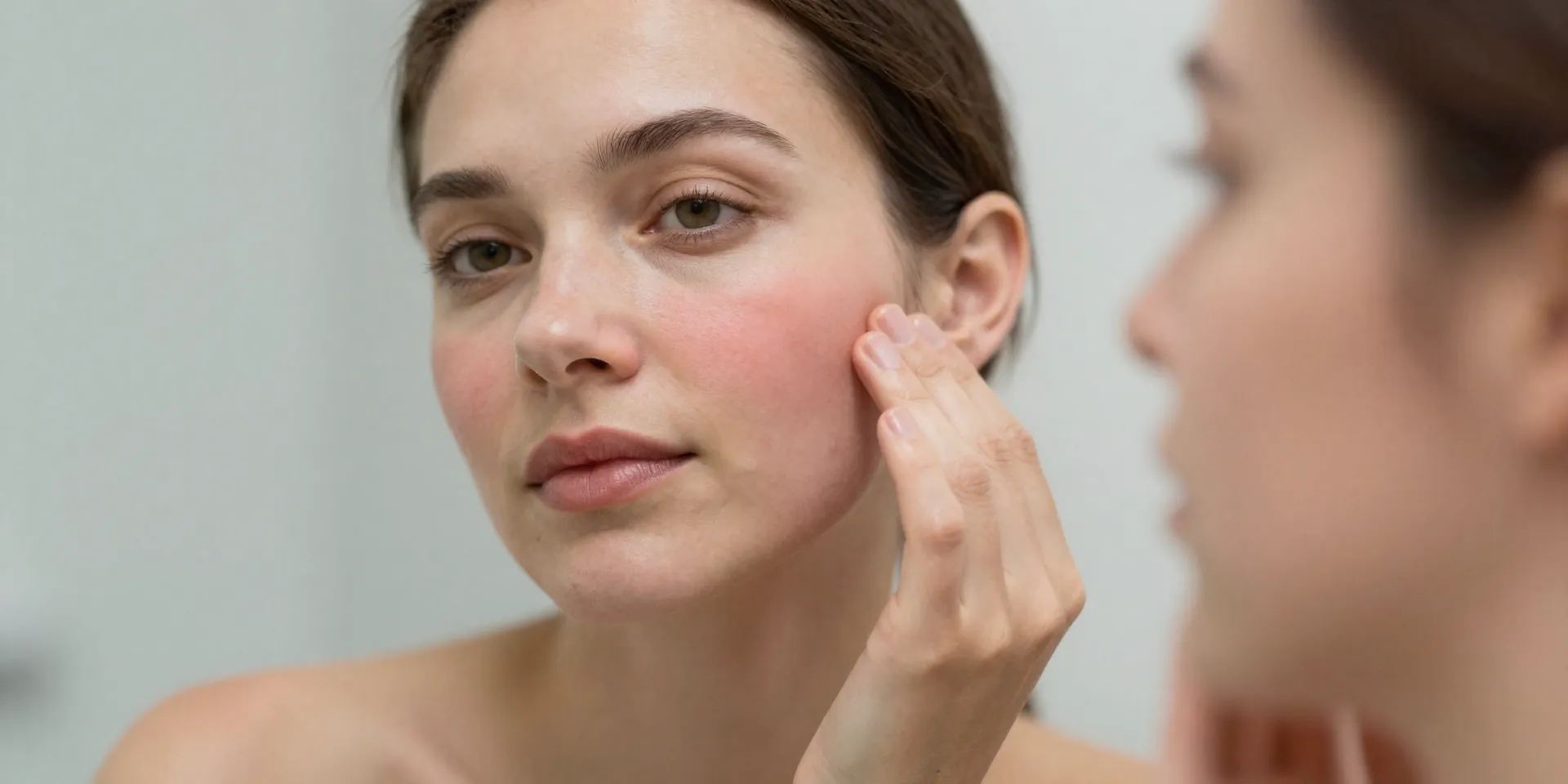
Retinol earns its reputation for a reason. There’s solid evidence behind it, and when skin tolerates it well, it can do a lot. Fine lines soften. Skin texture looks smoother. Pores can appear less obvious. Pigment left behind from breakouts may fade faster. If you’re a beginner anti-aging shopper with sturdy skin, retinol is often the obvious first pick.
But rosacea-prone skin doesn’t always play by normal rules. Rosacea already comes with inflammation, flushing, and a barrier that can be annoyingly fragile. Add retinol too fast, too often, or at too high a strength, and you can end up chasing irritation instead of progress. That doesn’t mean everyone with rosacea must avoid retinol forever. Some people do fine with very low-strength formulas, buffered over moisturizer, used once or twice a week. Still, “can tolerate” and “ideal choice” are not the same thing. If your cheeks sting from basic cleansers, if wind makes you flush, or if your skin reacts to half the products you try, retinol may be more work than it’s worth. A great ingredient is only great when your skin can live with it.
Bakuchiol’s biggest advantage: it respects reactive skin
Bakuchiol gets oversold sometimes, so let’s keep it honest. It is not a magic clone of retinol, and the research base is smaller. Still, it has a real place in sensitive skin anti-aging because it tends to deliver visible improvements without the classic retinoid side effects. Think smoother texture, softer fine lines, a bit more bounce, and less risk of peeling or that tight, overworked feeling. For many people with redness-prone skin, that trade-off is more than acceptable.
Here’s why bakuchiol keeps getting recommended by people with reactive skin: consistency. You’re far more likely to use it regularly if it doesn’t sting, burn, or trigger a week-long recovery period. And regular use matters. A gentler ingredient applied steadily often beats a stronger one you keep quitting. Bakuchiol also plays nicely with ingredients that are common in rosacea skincare, like ceramides, squalane, niacinamide, and azelaic acid in some routines. That makes it easier to build a calm, sustainable plan rather than a chaotic cabinet full of half-used “actives.” If your skin gets angry fast, bakuchiol usually gives you a better shot at staying on course.
Which one works better for wrinkles, redness, and overall skin quality?
For pure anti-aging power, retinol still has the edge. If we’re talking wrinkle prevention and collagen-supporting potential, retinol is the ingredient with the deeper bench of evidence. On paper, it wins. But real skin is not paper, and rosacea changes the equation. If retinol leaves your face inflamed, flaky, and irritated, the skin can actually look older in the short term—more textured, more uneven, and more reactive. That’s a bad deal.
Bakuchiol usually wins on comfort and day-to-day wearability. For redness-prone skin, less irritation often means a smoother, healthier-looking complexion overall. You may not get the same level of wrinkle-focused firepower as a well-tolerated retinol routine, but you’re also less likely to trigger a flare. So which ingredient wins? If your skin is mildly sensitive, your rosacea is well controlled, and you’re willing to go very slowly, retinol may give you better long-term anti-aging results. If your skin is truly reactive, flushes easily, or is currently compromised, bakuchiol is often the smarter choice. Not because it’s trendier. Because calm skin usually looks better than “strong” skin that’s constantly irritated.
How to choose if you’re a beginner anti-aging shopper with rosacea
If you’re new to anti-aging and also dealing with rosacea, start by being boring. That’s not an insult. It’s good strategy. Before adding either retinol or bakuchiol, make sure the base routine is solid: a gentle cleanser, a plain moisturizer that supports the barrier, and sunscreen every morning. Without that, even a good active can turn into a problem. Once your skin feels stable, choose one anti-aging ingredient, not three.
Pick bakuchiol first if you identify with any of these: frequent redness, stinging, visible irritation, a history of reacting to acids or vitamin C, or fear of retinoids because your skin hates almost everything. Pick a very low-strength retinol first only if your skin is fairly calm most days, you don’t react easily, and you’re willing to use it slowly—once weekly at first, then build carefully. Patch testing matters. So does timing. Don’t start a retinoid in the middle of a rosacea flare and then act surprised when things go sideways. And don’t assume “natural” means zero risk either. Bakuchiol is gentler, not untouchable. The right choice is the one your skin can tolerate with boring, repeatable consistency.
The smartest way to use either ingredient without wrecking your barrier
Application style matters almost as much as the ingredient itself. With retinol, less is usually more for rosacea-prone skin. Use a pea-sized amount for the whole face, avoid the corners of the nose and mouth if those areas get irritated, and try the moisturizer sandwich method if needed: moisturizer, then retinol, then another thin layer of moisturizer. Start once a week. Not every other night. Not “until you acclimate.” Once a week. If your skin stays calm for a few weeks, move to twice weekly. If it doesn’t, back off.
Bakuchiol is typically easier. Most people can use it more often, sometimes even daily, depending on the formula. But gentle doesn’t mean sloppy. Introduce it the same careful way, especially if your skin is currently sensitized. Skip pairing either ingredient with a pile of strong acids, rough scrubs, or fragranced products when you’re trying to build tolerance. And wear sunscreen. Retinol especially can make skin more vulnerable, but really, any anti-aging routine falls apart if UV exposure keeps feeding redness and collagen breakdown. For rosacea skincare, the best routine is the one that improves texture and fine lines while keeping the barrier calm enough that your face still feels like your own.