How to Start an Anti-Aging Routine for Sensitive, Rosacea-Prone Skin Without Overdoing It
If you have rosacea-prone skin, the biggest mistake is treating anti-aging like a race. It isn’t. A smart anti-aging routine for sensitive skin starts with keeping your barrier calm, because irritated skin always looks older, redder, rougher, and more tired. Fine lines are one thing. Chronic inflammation is another. So before you chase retinol, acids, peptides, or whatever your algorithm is pushing this week, make sure your basic routine doesn’t sting, flush, or leave your face feeling hot.
Think of this as a beginner skincare routine with standards. You need three non-negotiables first: a gentle cleanser, a plain moisturizer, and a broad-spectrum sunscreen you’ll actually wear every day. That’s the base. If any of those products already trigger burning or redness, fix that before adding “actives.” Boring is good here. Fragrance-free, alcohol-light, and low on exfoliating extras tends to work better for sensitive, rosacea-prone skin than fancy formulas packed with botanical noise. The goal is not to do the most. The goal is to build a routine your skin can tolerate for months, because consistency does more for aging well than occasional aggressive products ever will.
Build a Barrier-First Morning Routine That Doesn’t Pick a Fight With Your Skin
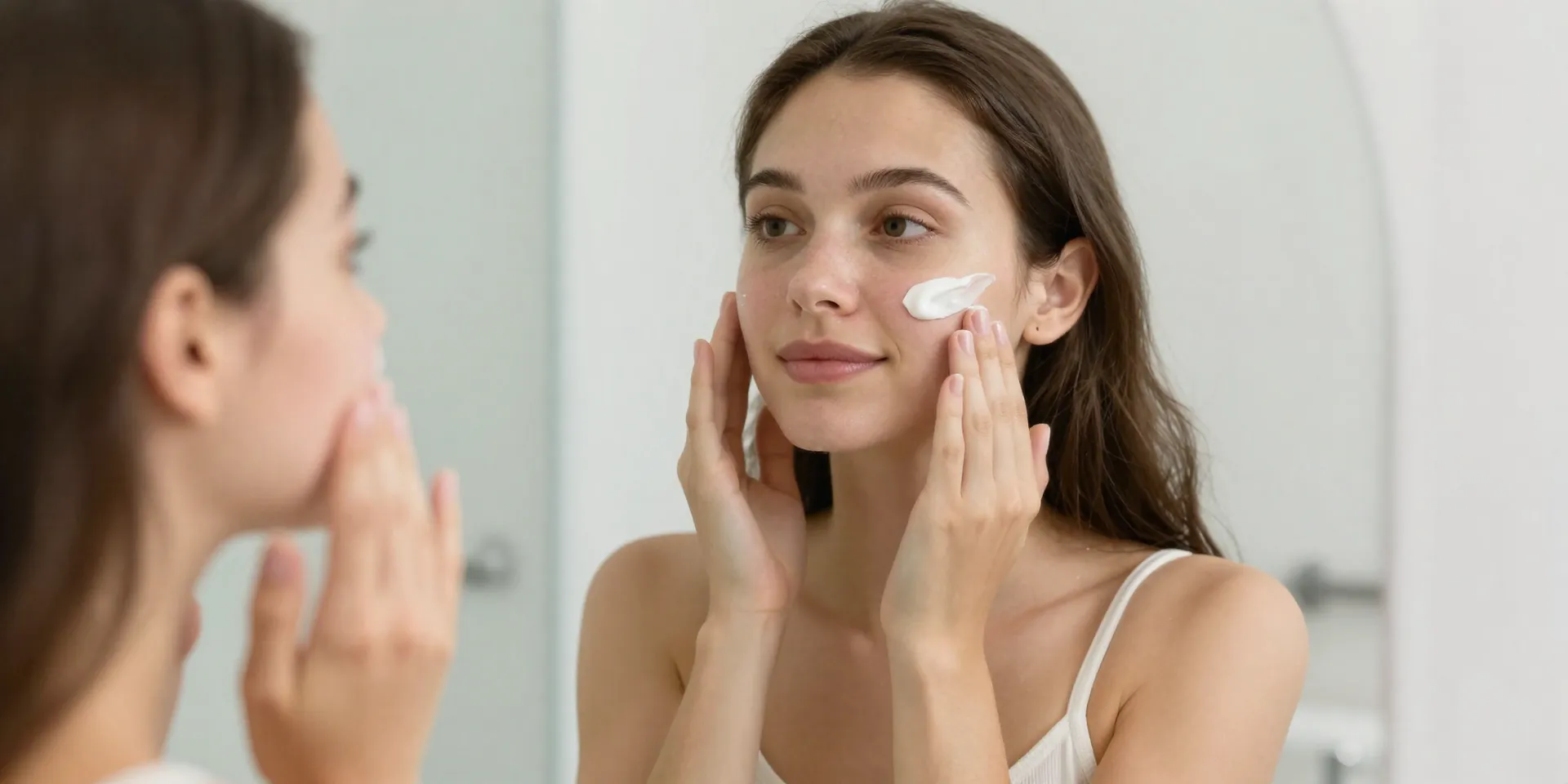
Morning routine first, because this is where a lot of people accidentally make rosacea worse. Cleanse only if you need to. If your skin feels fine when you wake up, rinsing with lukewarm water may be enough. If you’re oily or used a heavy night product, use a creamy, non-foaming cleanser. Not squeaky. Not minty. Not “deep purifying.” Those words are usually a warning sign, not a benefit, when your skin is reactive.
After that, go straight to moisturizer while skin is still slightly damp, then finish with sunscreen. Mineral sunscreen often works better for rosacea-prone skin than heavily fragranced chemical formulas, though texture matters and tolerance is personal. A tinted mineral SPF can be especially useful because iron oxides may help with visible light exposure, which can worsen redness in some people. This is one of the most practical skincare tips if anti-aging is your goal: daily sunscreen matters more than buying five treatment serums. UV exposure chips away at collagen, deepens discoloration, and keeps redness lingering longer. A gentle morning routine doesn’t look dramatic on the shelf, but on the face, over time, it’s doing the heavy lifting.
Choose One Anti-Aging Active, Not Three, and Introduce It Like an Adult
Here’s the thing: sensitive skin usually gets into trouble through stacking. Retinoid plus vitamin C plus exfoliating acid plus scrub plus “brightening” toner. Then the face turns hot, blotchy, and angry, and the person assumes anti-aging products just aren’t for them. Usually that isn’t true. The issue is pace. For a beginner skincare routine aimed at aging concerns, pick one treatment category and give it room to prove itself.
For many people with rosacea-prone skin, azelaic acid is the most sensible place to start. It can help with bumps, redness, uneven tone, and early signs of aging without the chaos that stronger acids often bring. If your skin is very stable and you specifically want collagen support, a low-strength retinoid can work, but start absurdly slow: one night a week for two weeks, then maybe two nights a week if your skin stays calm. Use the “moisturizer sandwich” if needed: moisturizer, then retinoid, then another layer of moisturizer. Don’t add a second active during this testing phase. Give any new treatment at least four to six weeks before deciding whether it belongs in your routine. Slow progress is still progress. Irritated skin sets you back.
Skip the Harsh Stuff That Makes Redness and Fine Lines Look Worse
A lot of anti-aging advice floating around online is written for people with resilient, oily skin who can survive weekly peel pads and daily retinol without blinking. That is not everyone. If you’re dealing with rosacea-prone skin, over-exfoliation can create the exact texture problems you’re trying to fix. Tightness, flaking, stingy cheeks, tiny bumps, exaggerated lines, stubborn redness. Skin that’s irritated doesn’t look polished. It looks stressed.
So yes, there are products worth skipping, at least for now: physical scrubs, strong glycolic acid toners, high-percentage peeling masks, fragranced essential-oil blends, cleansing brushes, and anything that reliably gives you that “tingly means it’s working” sensation. No. Tingly often means your barrier is taking a hit. Also pay attention to non-product triggers. Hot water, steam, spicy food, alcohol, heat, intense exercise, and wind can all amplify flushing. Anti-aging isn’t just about ingredients; it’s also about reducing repeated inflammation. That’s one of the most overlooked skincare tips for sensitive skin. You don’t need a perfect life or a monk-level routine. You just need to notice your patterns and stop doing the stuff that predictably makes your face look and feel worse.
Use a Simple Night Routine That Supports Repair Instead of Overcorrecting
Night is where people tend to get ambitious, and ambition is not always your friend. A good evening routine for anti-aging routine sensitive skin should feel calm and repeatable. Cleanse gently. Apply your chosen active only on the nights you’ve planned for it. Then moisturize generously. On non-active nights, just cleanse and moisturize. That’s not slacking. That’s how you stay consistent enough to actually see results.
If your skin is very dry or easily reactive, look for moisturizers with ceramides, glycerin, squalane, cholesterol, or colloidal oatmeal. Those ingredients support barrier repair without turning your routine into a chemistry experiment. If you’re using retinoids, avoid pairing them on the same night with exfoliating acids unless a dermatologist has specifically told you otherwise. And if you hit a rough patch, don’t try to push through it like you’re training for a marathon. Pull back. Go to basics for a week or two. Healthy anti-aging for rosacea-prone skin is less about bravery and more about judgment. The people who get the best long-term results are usually the ones who know when to stop adding and start protecting.
Know What Progress Actually Looks Like, and When to Get Expert Help
Real improvement is usually subtle at first. Less stinging. More even texture. Redness that settles faster. Skin that feels comfortable during the day instead of unpredictably reactive. Then, over a few months, you may notice smoother tone, softer fine lines, and a steadier overall look. That’s what a good anti-aging routine for sensitive skin often delivers: not a dramatic overnight transformation, but skin that behaves better and ages more gracefully because you stopped irritating it all the time.
If your redness is persistent, you’re getting frequent bumps or visible blood vessels, or nearly every product burns, it’s worth seeing a dermatologist. Rosacea varies a lot, and sometimes prescription azelaic acid, ivermectin, metronidazole, or a carefully guided retinoid plan makes the whole process easier. The right professional help can save you months of trial and error. There’s no prize for figuring it all out the hard way. A solid routine is simple: protect in the morning, treat gently at night, keep your barrier intact, and resist the urge to keep “upgrading” products when your skin is finally calm.