15 Best Anti-Aging Ingredients to Look for in Sensitive Skin Moisturizers
If you have reactive skin, the best anti-aging cream on paper can still be a terrible choice in real life. A good sensitive skin moisturizer has to do two jobs at once: support the skin barrier so your face stays calm, and deliver anti-aging ingredients that actually help with fine lines, dullness, and loss of firmness. If it only does one, it usually disappoints. Either it feels soothing but doesn’t do much over time, or it chases wrinkles so aggressively that your skin gets red, tight, and angry.
That’s why ingredient choice matters more than splashy marketing. For sensitive skin, the best skincare ingredients tend to be the ones that hydrate, repair, and signal the skin to function better without causing drama. Think less “stronger is better,” more “steady wins.” The ingredients below are the ones I’d actually look for when picking a sensitive skin moisturizer that’s supposed to help with aging too.
Ceramides, cholesterol, and fatty acids: the barrier repair trio that keeps skin from spiraling
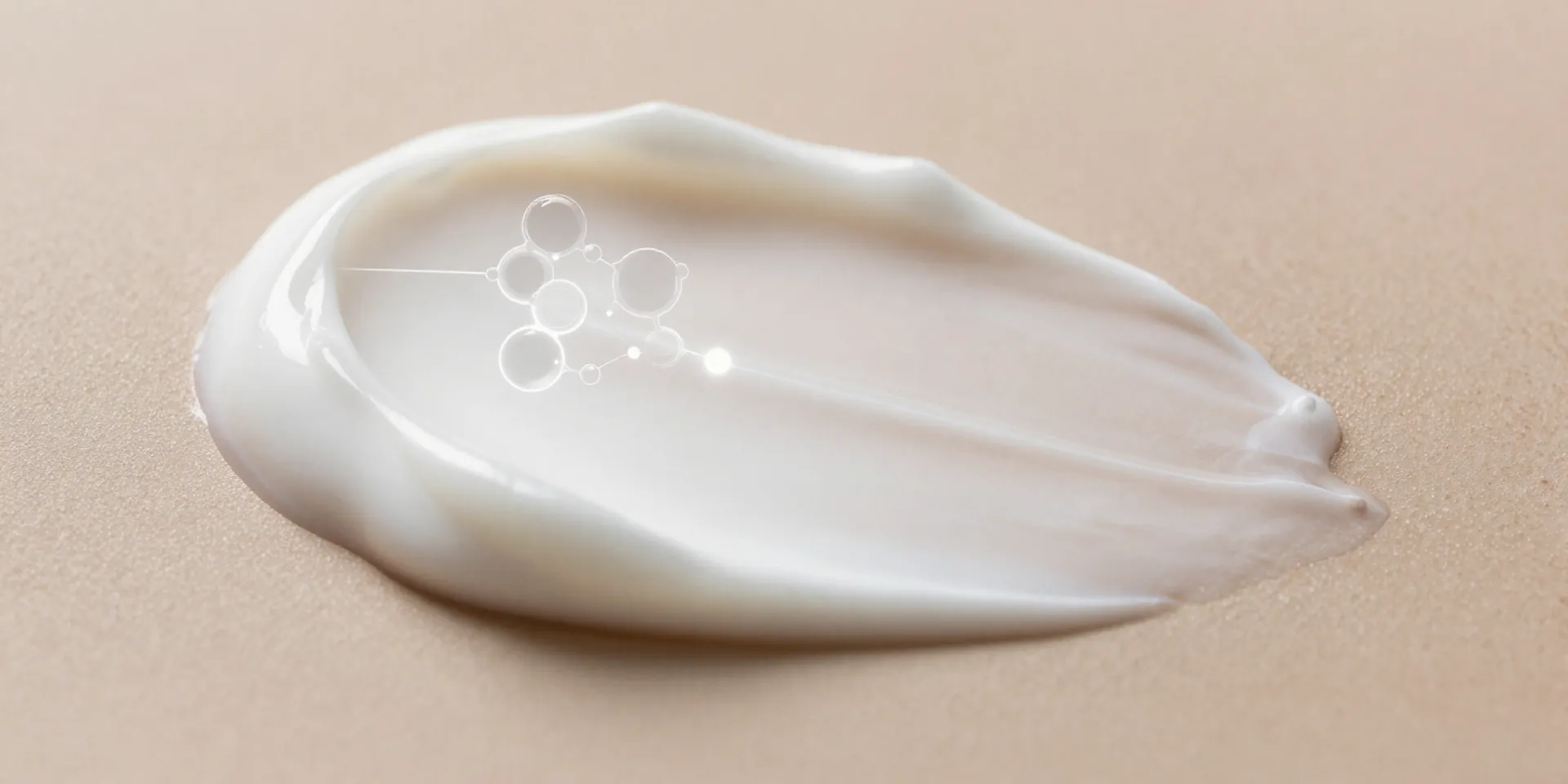
If your skin stings from random products, gets flaky around the nose, or feels both oily and dry somehow, start here. Ceramides are among the best anti-aging ingredients for sensitive skin because they help rebuild the outer layer that keeps moisture in and irritants out. Cholesterol and fatty acids work with them, not as filler but as part of the same barrier repair system. When a moisturizer includes this trio, skin usually becomes less reactive, more comfortable, and smoother-looking. That alone softens the look of fine lines, because dehydrated, irritated skin always looks older.
Here’s the thing: barrier repair is anti-aging. It may not sound glamorous, but skin that holds water well has better bounce, less roughness, and a calmer tone. Look for moisturizers that place ceramides reasonably high on the ingredient list, especially if they also include cholesterol and fatty acids like linoleic acid. This is one of the smartest foundations for any sensitive skin moisturizer, especially if you plan to add stronger actives later.
Niacinamide, panthenol, and glycerin: the low-drama workhorses that quietly improve everything
Niacinamide gets recommended so often that people tune it out, which is a mistake. In the right formula and at a sensible strength, it’s one of the most useful anti-aging ingredients around for sensitive skin. It helps support the barrier, improves uneven tone, reduces the look of enlarged pores, and can make skin more resilient over time. A lot of people do well with it in the 2% to 5% range. Higher percentages aren’t always better, especially if your skin already tends to flush.
Panthenol and glycerin deserve just as much respect. Panthenol, also called provitamin B5, is deeply soothing and helps reduce that raw, tight feeling sensitive skin gets when it’s stressed. Glycerin is a classic humectant that pulls water into the skin and keeps it looking plumper and less creased. Not flashy. Very effective. If you want a moisturizer that makes your skin feel better fast and look better after a few weeks, this combination is hard to beat.
Peptides, growth-supportive ingredients, and amino acids: the gentler route to firmer-looking skin
Peptides are a smart pick when you want anti-aging results without the usual irritation gamble. These are short chains of amino acids that can help support the skin’s natural repair processes and improve the look of firmness and fine lines over time. They won’t hit like a prescription retinoid, and that’s exactly why they work well in a sensitive skin moisturizer. They’re more about steady improvement than visible peeling or a dramatic purge.
Some formulas also include amino acids, madecassoside, or similar supportive ingredients that help stressed skin recover while giving it a smoother, more rested look. The main thing to know is that peptides shine in moisturizers designed for regular use. You won’t get overnight miracles, but you may notice skin looks less crinkly, especially around the cheeks and under-eyes, and feels stronger overall. If your skin hates most “active” products, peptides are often where the relationship with anti-aging starts getting easier.
Bakuchiol, retinal alternatives, and encapsulated retinoids: how to get vitamin A benefits without wrecking your face
Retinoids are still the benchmark for wrinkles, texture, and uneven tone, but sensitive skin often pays a price for that benefit. That doesn’t mean you have to avoid them forever. It means you should be picky. Bakuchiol is a popular plant-derived option for people who want smoother-looking skin with less irritation. It’s not identical to retinol, but it can be a very good choice in a moisturizer aimed at early signs of aging or easily upset skin.
If you do want a true vitamin A derivative, look for formulas using encapsulated retinol or very low-strength retinal in a moisturizer built around barrier support. Encapsulation helps slow delivery, which can make the experience gentler. And if the same formula also includes ceramides, squalane, or panthenol, even better. But be realistic: sensitive skin usually does best when retinoids are introduced slowly, not treated like a sprint. A well-formulated moisturizer can make that possible. A harsh one will make you give up after three nights.
Squalane, hyaluronic acid, oat, green tea, azelaic-acid-adjacent helpers, and antioxidants that calm while they protect
A few more ingredients deserve a spot on your radar because they make anti-aging formulas far more livable. Squalane is one of the best. It’s lightweight, non-fussy, and excellent for reducing dryness without leaving skin greasy or smothered. Hyaluronic acid also helps, especially when it’s used in a moisturizer rather than a stripped-down serum that can feel sticky or tight on dry, reactive skin. Both help skin look fuller and less drawn, which matters if your main complaint is that your face suddenly looks tired all the time.
Colloidal oatmeal and green tea are especially useful when sensitivity comes with redness. Oat helps calm itchiness and irritation, while green tea brings antioxidant support with a surprisingly soothing edge. Then there are ingredients that don’t always headline the packaging but can still improve the formula, like allantoin, bisabolol, ectoin, and licorice root. If you’re acne-prone and sensitive, azelaic acid can also be excellent, though it’s more common in treatment products than classic moisturizers. The best skincare ingredients are often the ones that work as a team: humectants to pull in water, lipids to seal it in, antioxidants to defend, and soothing agents to keep your skin from overreacting.
What to avoid when a moisturizer says anti-aging but your skin says absolutely not
Sometimes the smartest ingredient choice is knowing what not to buy. A moisturizer can contain excellent anti-aging ingredients and still be wrong for sensitive skin if it’s packed with fragrance, essential oils, drying alcohol high on the list, or a pile of strong exfoliating acids. Lactic acid and polyhydroxy acids can be gentle in the right context, but if your barrier is already shaky, even “mild” exfoliation may be too much in a daily moisturizer. Same goes for heavy perfume. Skin doesn’t care that it smells expensive.
Watch the formula as a whole, not just the hero ingredient on the front label. A sensitive skin moisturizer should feel boring in the best way: stable, comfortable, and easy to use consistently. That’s what gives you results. If I were scanning a label for the best anti-aging ingredients, I’d want to see some mix of ceramides, niacinamide, peptides, squalane, panthenol, glycerin, oatmeal, green tea, bakuchiol, or a well-buffered retinoid. If I saw that plus obvious barrier repair support and no unnecessary irritants, that’s the kind of product I’d trust with my face.