Building a Modular First-Aid Kit for Long-Term Travel
Forget the Giant Bag of Plasters. You Need a System.
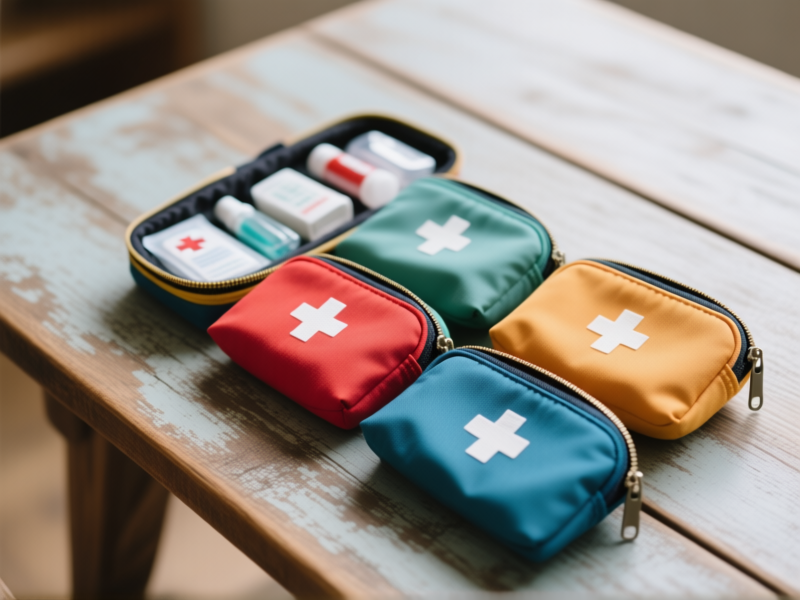
Let's be real. Most travel health kits are junk. A dusty bag of expired bandaids and a single-use antiseptic wipe you bought in a panic. For a weekend trip, fine. For months on the road? You’re planning to fail. I approach this like any other piece of travel gear. It needs to be reliable, adaptable, and not a giant pain in the ass. Think less "prepper bunker," more "elegant, scalable solution." Here's the thing: one big kit is a nightmare. You're either digging through it for an aspirin or hauling the whole thing on a day hike. Modular is the only way that makes sense.
The Non-Negotiable Core: Your Medical Foundation
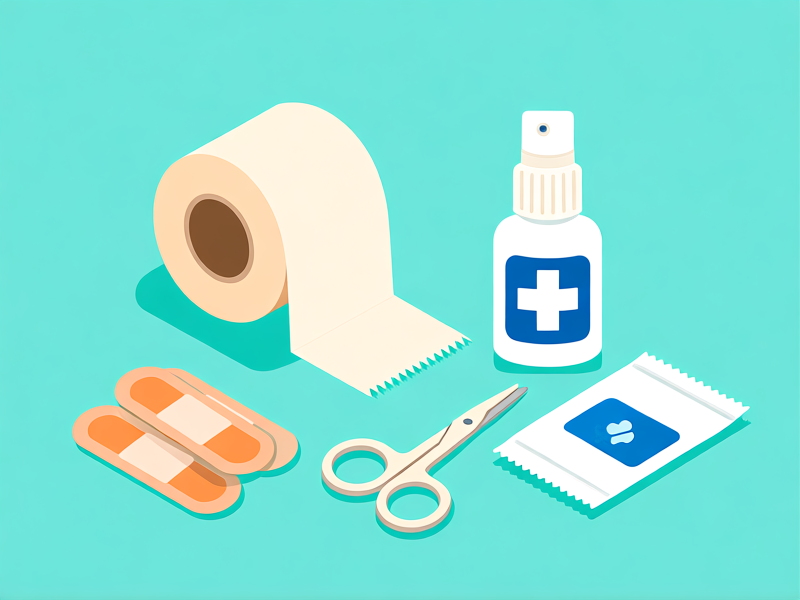
This is your always-with-you base layer. It lives in one small, indestructible pouch. We're talking the absolute must-haves for minor, daily annoyances. I'm talking quality blister plasters (Compeed is king), a small roll of medical tape, a tiny tube of antiseptic cream, and a few strips of gauze. Throw in a pair of travel tweezers and small trauma shears – trust me. The goal is to handle 90% of your problems without thinking. This pouch should be about the size of your wallet and live in your daypack. Permanently.
Leveling Up: The "Oh, I Actually Feel Sick" Module
So you've got blisters covered. Big whoop. What about when a dodgy street food vendor becomes your new nemesis? Or when altitude sickness hits? This is your second pouch. This is where you get smart about over the counter medicine abroad. Don't assume you can find what you need. Brands, names, and ingredients vary wildly. Pack a small supply of the stuff you know works for you: Ibuprofen, an anti-diarrheal (loperamide), an antihistamine, and something for heartburn. Electrolyte powder packets are worth their weight in gold. This module gets pulled out when you're base-camped for a few days, not hiking a mountain.
The Big Guns: Handling Prescriptions & Serious Bits
This is the serious one. If you have a prescription, this isn't optional. Actually, it's the first thing you plan. You need more than just pills. First, get a letter from your doctor on official letterhead. It should list your conditions, medications (using generic names!), and dosage. Carry the actual prescription bottles if you can. Split your meds between your main bag and your daypack – never all in one place. For anything syringes or strong painkillers, check the embassy websites of every country you're visiting. Rules are no joke. This module is about documentation as much as the drugs themselves.
Making It All Stick: The Organization Hack
Great, you've got a pile of stuff. Now what? Dumping it all in a Ziploc is a fast track to a mess. I use brightly colored, different-sized dry bags or clear toiletry cubes. Red for "blood" (core kit), yellow for "sick," black for "serious." Label them with a permanent marker or iron-on patches. The visual cue is instant. Keep a digital copy of your doctor's letter and prescriptions in your email or cloud. Your entire system should be so simple that you can find a blister plaster in the dark, half-asleep, in a bumpy bus. Because that's exactly when you'll need it.