How to Gracefully Say No to Souvenirs and Gifts While Traveling
The Souvenir Slog: Why Saying "Yes" Feels So Damn Heavy
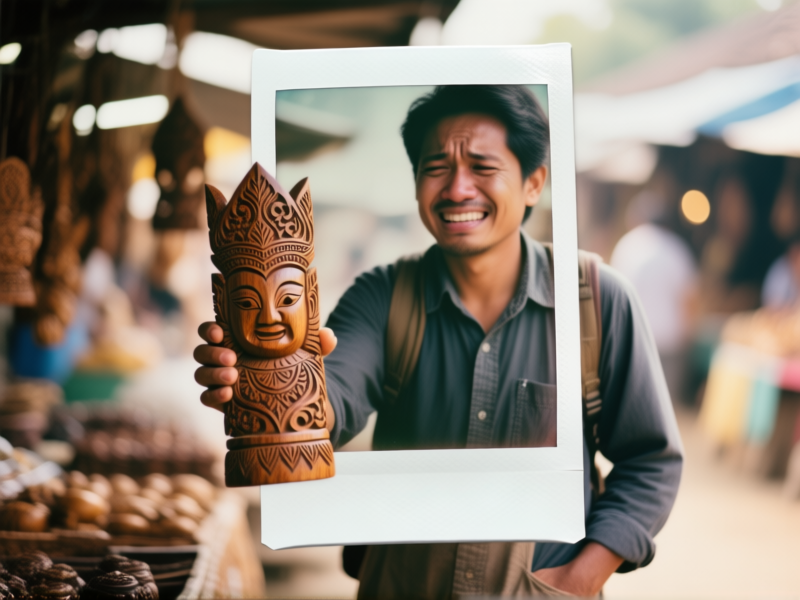
You're in a vibrant market. The smell of spices, the hum of chatter. A lovely person with a genuine smile holds out a hand-carved... thing. It's meaningful to them. They want you to have it. Your heart says "aww," but your gut, the part that has to pack, screams "NOOOOO." That tension is real. It's not about the object. It's about the weight of obligation, the coming home to a drawer of "what is this and why do I have it?" Sentimental clutter. It's the silent tax on your peace of mind. Every time you look at it, you don't see the memory. You see the guilt.
Your New Travel Policy: Clarity Before You Go
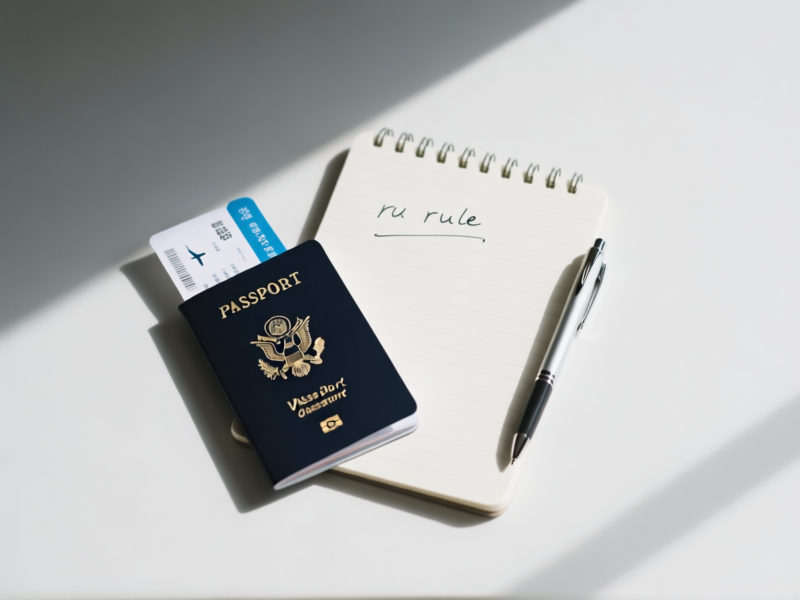
Here's the thing. You need a policy. You have one for your job, your diet, your time. Why not for the stuff you allow into your life? Before your next trip, decide. "I am not buying souvenirs for myself this trip." Or, "I am only accepting gifts that are consumable (food, drink)." Get specific. Write it down. This isn't being cold. It's giving your future self a script. When the moment comes, you're not being rude on the fly. You're just executing your pre-approved, personal travel gift policy. It's a game of mental Jiu-Jitsu. The battle is won before you even arrive.
The Gentle "No": Scripts That Don't Burn Bridges
Actually, most people aren't trying to burden you. They're trying to connect. Your job is to honor the connection, not the item. Shift the focus. "That is so incredibly kind of you to think of me. It means a lot. But I'm traveling very light this time and couldn't do it justice." Or, "Thank you, that's beautiful! I'd love to take a picture of it with you instead—that will be my real souvenir." The magic words? "Thank you" first. Always. Acknowledge the gesture. Then, pivot to the spirit of it. Offer an alternative memory—a shared coffee, a photo, a story. You're saying no to the thing, but a huge YES to them.
The Minimalist's Answer: Collect Moments, Not Magnets
Let's reframe the entire goal. You're not there to shop. You're there to see, feel, taste. Your souvenir is the weird fruit you tried for the first time. It's the specific smell of the rain in that city. It's the recipe you learned. It's the 4PM light on a particular street corner. Invest in a great camera phone. Keep a notes app diary. Your memories and photos are weightless. They don't gather dust. They only gather meaning. When someone asks, "What did you bring back?" your answer isn't a trinket. It's a story. A taste. A feeling. That's richer than any knick-knack.
When Push Comes to Shove: Handling the Persistent Giver
Sometimes, they insist. The gift is already in your bag. The relative mails it to your home anyway. Now what? Your boundary isn't a one-time wall. It's a garden you tend. For the mailed item: "Thank you so much for sending this. It was a surprise! I'm in a season of simplifying my space, so I've donated it to a local charity shop where it will find a wonderful new home." You've thanked them. You've honored the intent. And you've liberated the object from your life. For the in-person press: A firmer, warmer smile. "I really can't. But thank you. Your company today has been the best gift." Then, change the subject. Move. Buy them a drink. The moment will pass. And you'll be lighter for it.