Merino Wool Myths Busted: Is It Really Worth the Price?
Forget Everything Your Grandma Told You About Wool

Let's get the big one out of the way first. Itchy. That word is practically tattooed on our brains when we think of wool. Scratchy sweaters, that one Christmas gift you had to pretend to love. But here's the thing: merino isn't that wool. Merino fibers are incredibly fine and bendable. Think of it as the difference between coarse burlap and smooth silk. That old-school wool felt like a wire brush because the fibers were thick and prickly. Merino fibers are so thin they can't really poke you. Wearing a good merino tee feels like your favorite broken-in cotton shirt. Seriously. The myth of itchiness is the wool industry's worst PR legacy, and it's time we buried it for good.
The Real Superpower That Makes Packing a Joke
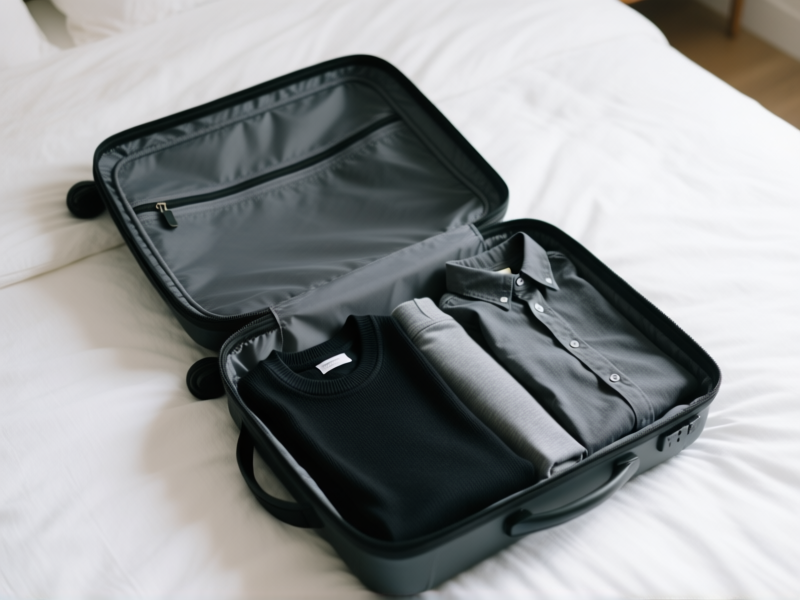
You've heard the claim: "Wear it for a week, it won't stink." Sounds like marketing hype, right? I was the world's biggest skeptic. Then I wore the same merino shirt on a five-day trek. No washing. Humid, sweaty, gross days. And you know what? It passed the sniff test. Not just "okay," but genuinely fine. The science is simple: merino fibers naturally resist the bacteria that cause odor. Synthetics, on the other hand, are basically a petri dish for stink. Polyester holds onto odor molecules for dear life. Merino just... doesn't. This isn't about being gross; it's about freedom. It means you can pack half the clothes. One shirt can be your hiking layer, your camp shirt, *and* your dinner outfit. That's a game-changer for carry-on-only travel.
Does This Delicate Miracle Fabric Actually Last?
Okay, so it's soft and doesn't stink. But it must fall apart if you look at it wrong, yeah? This is where quality matters. A cheap, thin merino tee might develop a hole. But a properly constructed garment with a decent fabric weight? It's tougher than it feels. I've had merino base layers survive years of backpack straps, bushwhacking, and hotel sink washes. The key is care. Don't put it in a hot dryer. That's the kryptonite. Wash it cold, lay it flat to dry. Treat it with a fraction of the respect you'd give a technical piece of gear, and it will reward you with seasons of use. It's not indestructible like a 1000D nylon shell, but it's not tissue paper. Think of it as a precision instrument, not a hammer.
The Battle of the Fibers: Wool vs. The Synthetics
So why not just buy the cheap synthetic version? You can. I have a drawer full of them. Here's the breakdown. Synthetics dry faster. That's their win. But they stink faster, they feel clammy when wet, and they can feel plasticky. Merino regulates temperature like a champ. It keeps you warm when it's cool, and breathes surprisingly well when it's warm. It feels natural against your skin. Most importantly, it manages moisture *differently*. It can absorb a fair bit of sweat vapor without feeling wet, which is why it doesn't get that icy, clingy feeling. A synthetic shirt moves sweat away; a merino shirt *manages* it. For multi-day wear and overall comfort, merino wins. For pure speed of drying after a soak, synthetic has the edge.
The Brutally Honest Answer on Price
Let's talk money. Yes, a merino wool shirt costs more than a 3-pack of cotton tees. Significantly more. Calling it an "investment" can feel like a cop-out, but it's the truth. You're not paying for a logo. You're paying for the engineering: the fineness of the fiber, the ethical farming (hopefully), and the performance. The value isn't in the single wearing; it's in the hundredth wearing where it still looks and performs the same. It's in not having to check a bag because you packed light. It's in not having to do laundry every other day on a long trip. If you live in your travel clothes, if you value simplicity and comfort, the math works out. If you want a shirt for one vacation and then the back of the closet? Maybe not. But for core pieces you'll rely on trip after trip, the cost-per-wear plummets fast. It stings once. Then you forget about it for years.