Packing for a Digital Detox Weekend (But Still Needing to Check In)
Forget the "Perfect" Detox. Embrace the "Good Enough" One.

Let's be brutally honest for a second. The dream of a "true" digital detox, where you toss your phone into a glacier and live like a 19th-century woodsman for three days, is a fantasy. For most of us, it's a non-starter. The boss might need a quick reply. Your family needs to know you're not bear food. The goal isn't total radio silence—that just creates anxiety. The goal is to create enough friction that checking your phone feels like a chore, not a reflex. You're not failing if you peek. You're just human. Actually, planning for the peek is the smartest move you can make.
Your "Allowed Tech" Kit: Less is So Much More
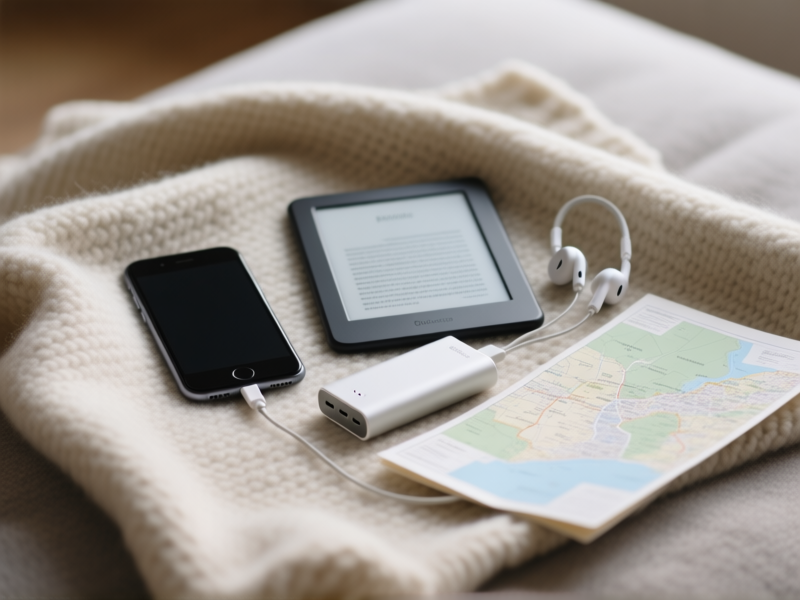
Don't pack your whole digital life. That's the whole point. Here's what makes the cut: your phone (obviously, we'll deal with that), and maybe one other device. An e-reader loaded with books is a genius loophole—it feels analog but saves suitcase space. A plain old MP3 player for podcasts or music? A power move. Ditch the laptop. I mean it. Leave the tablet. Your "entertainment" is now trees and your own thoughts. Scary? Maybe. The point is to choose one or two pieces of tech that serve a specific, intentional purpose. Not a dozen that serve distraction.
Go Old School: Your Offline Survival Pack
This is where the fun begins. Before you leave, download the area on Google Maps. Lifesaver. Download your podcasts, playlists, and an audiobook or two. Now, find a real, paper map of the trails or town. It's backup, and it makes you feel like an explorer. Grab a physical book you've been meaning to read. A notebook and a pen—for jotting down ideas, not typing them. Seriously, the act of writing by hand unlocks a different part of your brain. This kit isn't about nostalgia. It's about creating options that don't involve a glowing rectangle.
The "Check-In" Protocol: Structure Your Slip-Ups
You will check your phone. So, let's weaponize that impulse. Set brutal boundaries. Tell people: "I'll check messages at 7 PM each night." Then, turn on Do Not Disturb and chuck your phone in the bottom of your backpack. Better yet, get one of those silly kitchen safe timer boxes. Lock it in for 12 hours. The friction of having to wait for a timer to physically unlock stops the mindless scroll. When you *do* check in, be ruthless. Answer urgent texts. Skim emails for fire alarms. Do not open social media. Do not fall into the "just one video" trap. This is a surgical strike, not a leisurely browse. Then, put it away again.
The Emergency-Only Channel (And What Actually Counts)
This is your guilt-free safety net. Set up your phone's emergency bypass. Make sure your "ICE" contacts can ring through no matter what. Share your location with one trusted person if you're hiking. That's it. An emergency is "I'm lost," "I'm hurt," or "The cabin is on fire." An emergency is not "Someone posted a controversial take on Twitter," or "My work Slack has 47 unreads." Define the line now. Knowing you have a clear, unimpeded line for real problems massively reduces the background anxiety that makes you check your phone every five minutes. It lets you actually breathe.
What You're Actually Packing For
You're not just packing socks and a toothbrush. You're packing for a shift in perspective. The goal is to notice the crunch of leaves under your boots instead of the ping of a notification. To have a three-hour conversation that doesn't get paused to look up a random fact. To remember what your own brain sounds like when it's bored. The tech you bring—and the rules you set—are just the tools to carve out that space. It's messy. You'll probably cheat once. But even a semi-successful detox weekend resets something deep. You remember you have an off switch. Even if you choose to leave it on dim.