Travel Adapter vs. Universal Converter: What You Actually Need
The One Critical Difference (That Saves Your Gear)
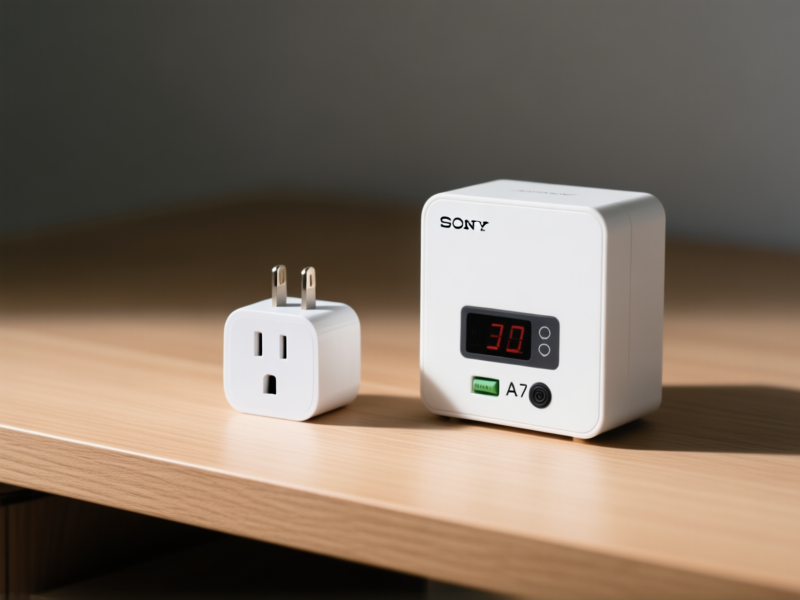
Let's cut through the noise. Most people use these terms interchangeably. Big mistake. Here's the thing: a travel adapter is a dumb shape-shifter. It lets your plug physically fit into a foreign socket. That's it. A voltage converter, on the other hand, is a voltage magician. It actually transforms the power coming from the wall to match what your device expects. Get this wrong, and you're not just stuck without a charge. You're holding a very expensive, very dead paperweight.
Your Phone is Smarter Than You Think
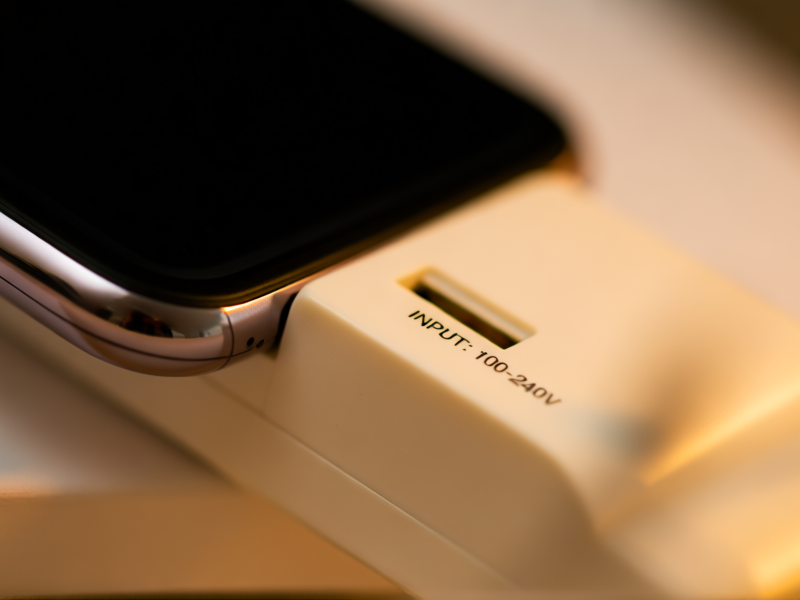
Check your charger. Go on, I'll wait. See that tiny print? "Input: 100-240V." That's the golden ticket. Nearly all modern electronics—phones, laptops, cameras, drones—are dual-voltage. They can handle the world's wild power swings. For these, you only need the adapter. The cheap, simple one. Using a converter on a dual-voltage device is overkill and can actually be dangerous. Seriously, stop it.
When You Actually Need the Big Guns (The Converter)
Here's the short list: high-heat, high-power, or dumb items. Your grandma's hair dryer from 1998? Needs a converter. That fancy ceramic flat iron? Probably needs a converter. A cheap coffee maker from a big-box store? Converter. These are single-voltage beasts designed for one power system. Trying to force-feed them foreign voltage with just an adapter is a great way to start a small fire. Or at least release the magic smoke inside.
My Go-To Kit (And What to Buy)
Here's a hill I will die on: get a good, compact universal adapter. Not a dozen separate pieces. One sleek block that covers North America, UK, EU, and Australia. Pair it with a modern GaN charger that has multiple USB-C ports. This covers 99% of my trips. For that one time I need to bring a hair tool? I borrow one at the hotel or buy a cheap, dual-voltage version at my destination. It's simpler and safer. Pro tip: if you *must* use a converter, buy one rated for at least 50% more watts than your device needs.
The Airport Trap & Final Reality Check
You forgot your adapter. Panic sets in. You see a "Universal Travel Adapter & Converter" at the airport kiosk for $50. It looks bulky and has sketchy warnings. Don't do it. That cheap internal fuse won't save your $2,000 MacBook. Be smarter than past-you. Check your gear's voltage. Buy the right single-purpose tool. Pack it in your carry-on. Done.